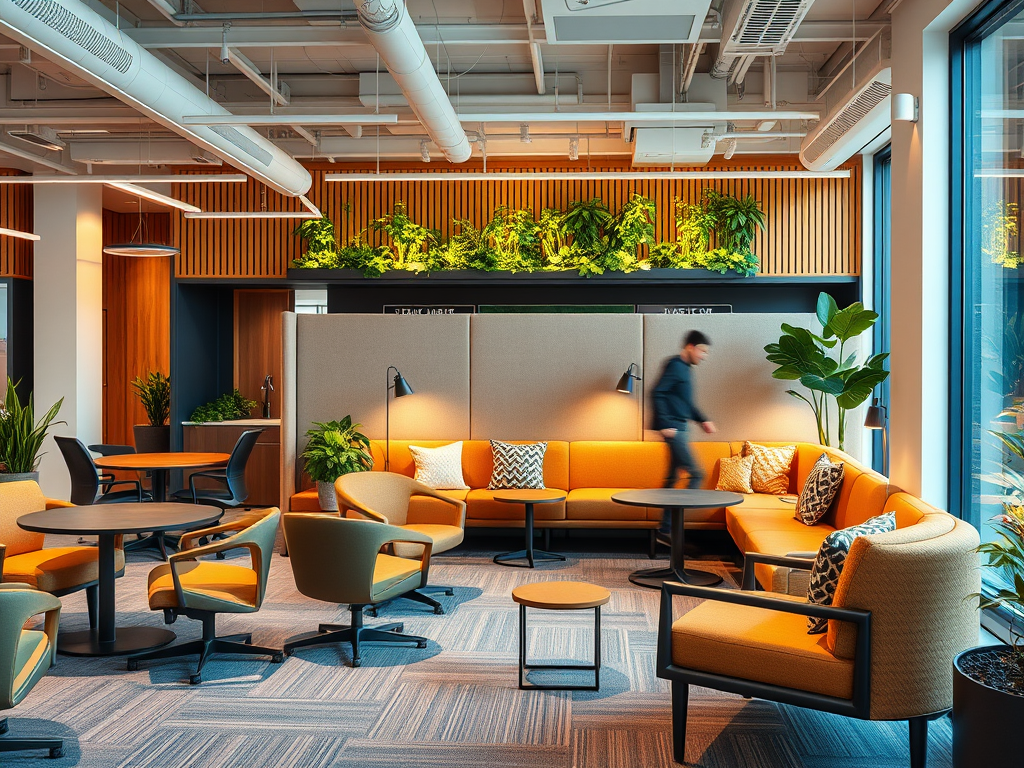
The modern office has transformed from a static, hierarchical environment into a flexible ecosystem designed to support collaboration, creativity, and wellbeing. In this evolution, breakout office furniture plays a key role—offering employees a chance to step away from their desks, recharge, or engage in spontaneous conversations that spark innovation. These spaces represent a shift in how companies view productivity: as something that thrives not only through structure but also through freedom and comfort.
The Purpose and Function of Breakout Spaces
Breakout areas are more than just relaxation zones. They act as versatile extensions of the workspace, where employees can brainstorm, collaborate, or find a moment of quiet focus. With the rise of hybrid work models, these areas have gained importance as physical anchors of company culture—encouraging employees to return to the office not out of obligation, but out of desire for human interaction.
The design of breakout furniture focuses on adaptability. Modular pieces can be reconfigured to suit different needs, from group discussions to solo work. The inclusion of ergonomic seating, small tables, and sound-absorbing materials ensures these areas serve as both productive and restorative environments.
Key Features of Effective Breakout Furniture
Designing a breakout space requires careful consideration of comfort, functionality, and aesthetics. Some of the most important features include:
- Flexibility: Modular and movable furniture allows quick reorganization to suit changing purposes.
- Comfort: Soft seating and tactile fabrics encourage relaxation and informal collaboration.
- Privacy options: Acoustic panels, partitions, and pods help balance openness with focus.
- Technology integration: Built-in charging stations or movable whiteboards enhance usability.
- Aesthetic harmony: Consistency with the rest of the office design promotes visual unity and a sense of belonging.
Each of these elements contributes to an environment that supports different work styles, from creative brainstorming to quiet reflection.
How Design Influences Productivity
Breakout office furniture doesn’t just fill space—it shapes behavior. Comfortable, visually engaging areas encourage movement and social interaction, both of which are proven to boost cognitive performance. When employees can choose where and how they work, they tend to feel more empowered and less fatigued.
Moreover, color and texture play subtle psychological roles. Warm hues can promote collaboration, while cooler tones enhance concentration. Incorporating natural materials such as wood and textiles can help reduce stress, fostering a sense of calm even in a busy office setting.
Sustainability and Longevity in Modern Design
As companies become more environmentally conscious, sustainable breakout furniture is increasingly in demand. Manufacturers are turning toward recycled materials, modular designs, and repairable components that extend product lifecycles. Investing in furniture that evolves with the organization not only minimizes waste but also makes financial sense in the long term.
The emphasis on sustainability also reflects a broader cultural change. Employees value working in spaces that align with their personal ethics, and sustainable breakout furniture signals a company’s commitment to responsible design.
Balancing Innovation and Simplicity
While technology continues to influence office furniture trends, the most successful designs combine innovation with simplicity. Smart furniture that integrates wireless charging or adjustable height systems can enhance functionality, but overcomplication risks reducing comfort. The goal is to create intuitive, human-centered spaces where technology supports rather than dominates.
Breakout areas should feel natural—spaces people gravitate to, not avoid. A simple combination of comfortable seating, good lighting, and visual warmth can be just as effective as high-end installations. The essence of good design lies in balance: creating areas that serve a purpose while remaining inviting and flexible.
The Future of Work and the Role of Breakout Furniture
As workplaces continue to evolve, breakout furniture will remain central to how companies shape their environments. Offices are no longer defined by static workstations but by dynamic, people-oriented spaces. In this context, breakout areas serve as social hubs—places where creativity, communication, and wellbeing intersect.
The growing focus on flexibility, inclusivity, and sustainability means that office design will continue to adapt. Breakout furniture will likely incorporate even more modular and sustainable solutions, reflecting a new understanding of what productivity and comfort mean in the 21st century.
For a closer look at how the latest trends and innovations are shaping the future of breakout office furniture, visit https://robthecoins.com/modern-breakout-office-furniture-trends-and-innovations-for-2025/.
Ultimately, breakout office furniture represents a philosophy as much as a design trend. It reflects a belief that people perform best when they feel trusted, comfortable, and inspired. By creating adaptable, human-centered workspaces, organizations can build environments that empower both productivity and creativity—today and well into the future.
 Work Furniture
Leave a comment