
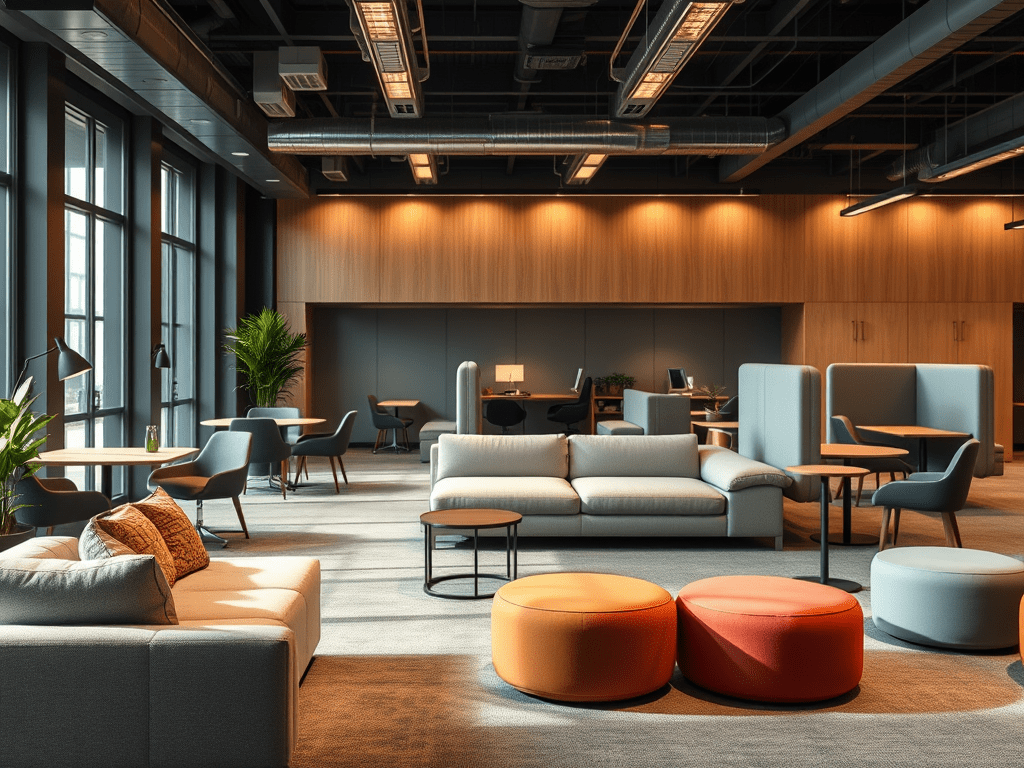
In a world where the boundaries between work and life are increasingly fluid, the traditional office is undergoing a profound transformation. Gone are the days when productivity was defined by rows of identical desks and stiff meeting rooms. Today, the modern office is a dynamic ecosystem, where flexibility, comfort, and collaboration reign supreme. One of the key elements driving this change is breakout office furniture—an essential component in redefining how and where work gets done.
What Makes Breakout Spaces Essential?
Breakout spaces are not simply decorative add-ons or employee perks; they are functional areas designed to support a range of activities outside of formal desk work. Whether it’s for quiet reflection, casual meetings, creative brainstorming, or informal gatherings, these spaces offer an alternative environment that complements the more structured zones of an office.
By providing employees with autonomy over their work setting, breakout areas encourage both well-being and productivity. They are particularly valuable in hybrid work cultures, where adaptability and fluidity are crucial for supporting different work styles.
Designing with Purpose: Key Features of Effective Breakout Furniture
To create a truly functional breakout area, it’s important to focus on furniture that is not only aesthetically pleasing but also adaptable and comfortable. The best breakout furniture allows spaces to transform quickly and encourages spontaneous use.
Some common characteristics of effective breakout furniture include:
- Modular construction that can be rearranged to suit different needs
- Soft, inviting seating such as couches, poufs, or lounge chairs
- Small, mobile tables ideal for laptops, coffee, or note-taking
- Privacy-enhancing elements like acoustic panels or high-backed seating
- Finishes and textures that promote a relaxed atmosphere
- Durable materials designed to handle frequent reconfiguration
When chosen thoughtfully, breakout furniture enhances the overall design language of the workspace while also improving its functionality.
A Human-Centered Approach to Office Design
The emphasis on breakout areas reflects a broader shift toward human-centered design in the workplace. Organizations are no longer focusing solely on efficiency—they’re also considering how design impacts mental health, collaboration, and engagement.
Flexible furniture arrangements give employees a sense of control and choice over their environment. In turn, this helps to reduce stress, increase satisfaction, and build a stronger connection to the workplace. Studies in office ergonomics and environmental psychology suggest that access to informal, adaptable zones can improve concentration, morale, and even team cohesion.
Benefits of Incorporating Breakout Furniture
While the visual transformation of a space is immediately noticeable, the deeper benefits of breakout furniture go far beyond aesthetics:
- Encourages spontaneous collaboration and creativity
- Offers employees a space to recharge and prevent burnout
- Supports different working styles and generational preferences
- Breaks down hierarchical structures by creating shared spaces
- Enhances the use of underutilized office areas
- Adds versatility to open-plan environments
Ultimately, breakout zones allow for greater balance between focus and flexibility, helping offices evolve from rigid workplaces into vibrant hubs of interaction.
Adaptability Across Industries
One of the strengths of breakout furniture lies in its universal appeal. Regardless of industry—whether corporate, educational, creative, or nonprofit—any organization can benefit from integrating such areas into their workspace design. These spaces can be scaled up or down depending on office size, making them equally suitable for large headquarters and smaller studios.
In educational institutions, for example, breakout furniture supports group learning and informal collaboration. In corporate environments, it can foster innovation and reduce the reliance on traditional conference rooms.
For examples of how modern breakout furniture is applied in real-life spaces, visit: https://britishwire.co.uk/modern-breakout-office-furniture/
Tips for Implementing Breakout Zones Successfully
Integrating breakout furniture into your office doesn’t require a complete renovation. In fact, many companies begin by identifying underused areas and gradually transforming them into functional breakout spots. Consider these steps when planning:
- Observe how employees currently use informal spaces and what’s missing
- Start with one or two zones and gather feedback
- Ensure connectivity through power outlets and strong Wi-Fi
- Keep the layout fluid and open to change
- Use design elements to define the area without building physical walls
- Offer both collaborative and solo-use options
Remember that the success of a breakout space hinges not just on the furniture itself, but on how intuitively it integrates into daily routines.
Conclusion
As the nature of work continues to evolve, so too must the environments in which we work. Breakout office furniture is more than a trend—it is a response to the growing need for flexibility, well-being, and human connection in the workplace. By reimagining how we use space, organizations can foster a culture of adaptability, creativity, and inclusion.
Whether used for a brief moment of calm or a spontaneous team huddle, breakout areas bring dimension and diversity to the modern office—transforming it from a place of obligation into a space of possibility.
 Work Furniture
Leave a comment