As the dynamics of work continue to shift, so too does the physical space in which work happens. Offices today are no longer just rows of desks and closed meeting rooms—they are ecosystems built around flexibility, collaboration, and human-centered design. One key element gaining popularity in this transformation is breakout office furniture. These thoughtfully designed pieces are redefining what it means to work, interact, and recharge in the workplace.
Understanding Breakout Office Furniture
Breakout office furniture refers to the furnishings used in informal workspaces designed for relaxation, brief collaboration, or individual recharging. These spaces—often called breakout areas—are not intended for long hours of focused work, but for quick mental breaks, creative thinking, or spontaneous conversations.
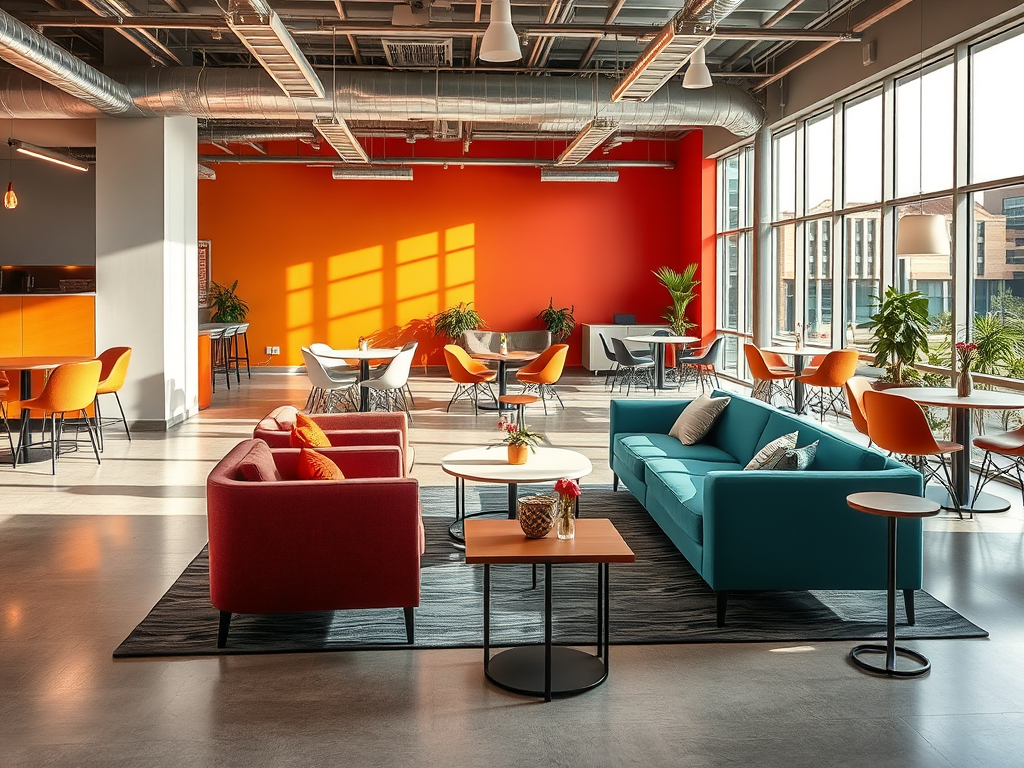
Breakout areas can be found near kitchens, hallways, lobbies, or alongside open-plan offices. Their flexibility allows them to serve multiple purposes, such as:
- Offering employees a moment of rest without leaving the workplace
- Providing an informal setting for team discussions
- Creating quiet zones for reflection and decompression
- Encouraging cross-departmental communication
This furniture is usually modular, ergonomic, and vibrant, helping to visually distinguish these zones from the rest of the office while contributing to a more relaxed, welcoming atmosphere.
Why Breakout Spaces Are Vital to Office Culture
The traditional 9-to-5 office structure has given way to a more flexible and fluid way of working. With that comes the need for spaces that support not only productivity, but also well-being and social connection. Breakout office furniture plays a central role in meeting this need.
From a psychological perspective, providing varied environments in the workplace boosts engagement and performance. Being able to step away from one’s desk—even for a few minutes—can refresh the mind, enhance focus, and encourage innovative thinking.
Key benefits of breakout furniture include:
- Reducing physical and mental fatigue through ergonomic alternatives
- Supporting team bonding in relaxed, neutral environments
- Enhancing aesthetic appeal and reinforcing company branding
- Encouraging a culture of flexibility and employee autonomy
- Making the office more attractive to potential hires and visiting clients
Designing Breakout Areas with Purpose
Creating a successful breakout space means more than adding a couch to an empty corner. It requires a deliberate approach that takes into account user behavior, office layout, and overall company values.
A well-designed breakout space should include:
- Soft seating like sofas, armchairs, and ottomans
- High tables or bar stools for quick discussions
- Coffee tables for relaxed collaboration
- Acoustic panels or enclosed pods for privacy
- Movable and modular elements to allow layout changes
- Access to natural light and calming, neutral color palettes
This thoughtful approach ensures the area serves both aesthetic and functional goals, creating spaces that workers naturally gravitate toward throughout the day.
A Strategic Investment in People and Productivity
Investing in breakout office furniture is about much more than interior design. It’s a signal to employees that their well-being matters. It’s an acknowledgment that innovation thrives in environments where people feel comfortable, respected, and free to express ideas.
In the context of hybrid work models, where time spent in the office becomes more intentional, breakout areas can serve as the social glue that keeps teams connected. They offer the kind of experiences that can’t be replicated virtually—organic collaboration, non-verbal communication, and shared moments of downtime.
For a deeper look into how breakout furniture supports office productivity and creativity, visit https://newspapertime.co.uk/designing-productive-spaces-with-modern-breakout-office-furniture/.
Conclusion
Breakout office furniture is not a fleeting trend—it’s a reflection of a broader cultural shift toward flexible, people-first workplaces. These spaces allow for movement, interaction, and rest in ways that traditional setups often neglect. By thoughtfully incorporating breakout areas into office design, companies foster an environment where employees not only work better but feel better doing it. And in today’s ever-evolving business landscape, that human element may be the most important advantage of all.
 Work Furniture
Leave a comment